

ASEAN-IPR Launches Regional Initiative to Prevent Violent Radicalisation Among Youth
6 April 2026
ASEAN Headquarters/ Secretariat, Jakarta, Indonesia
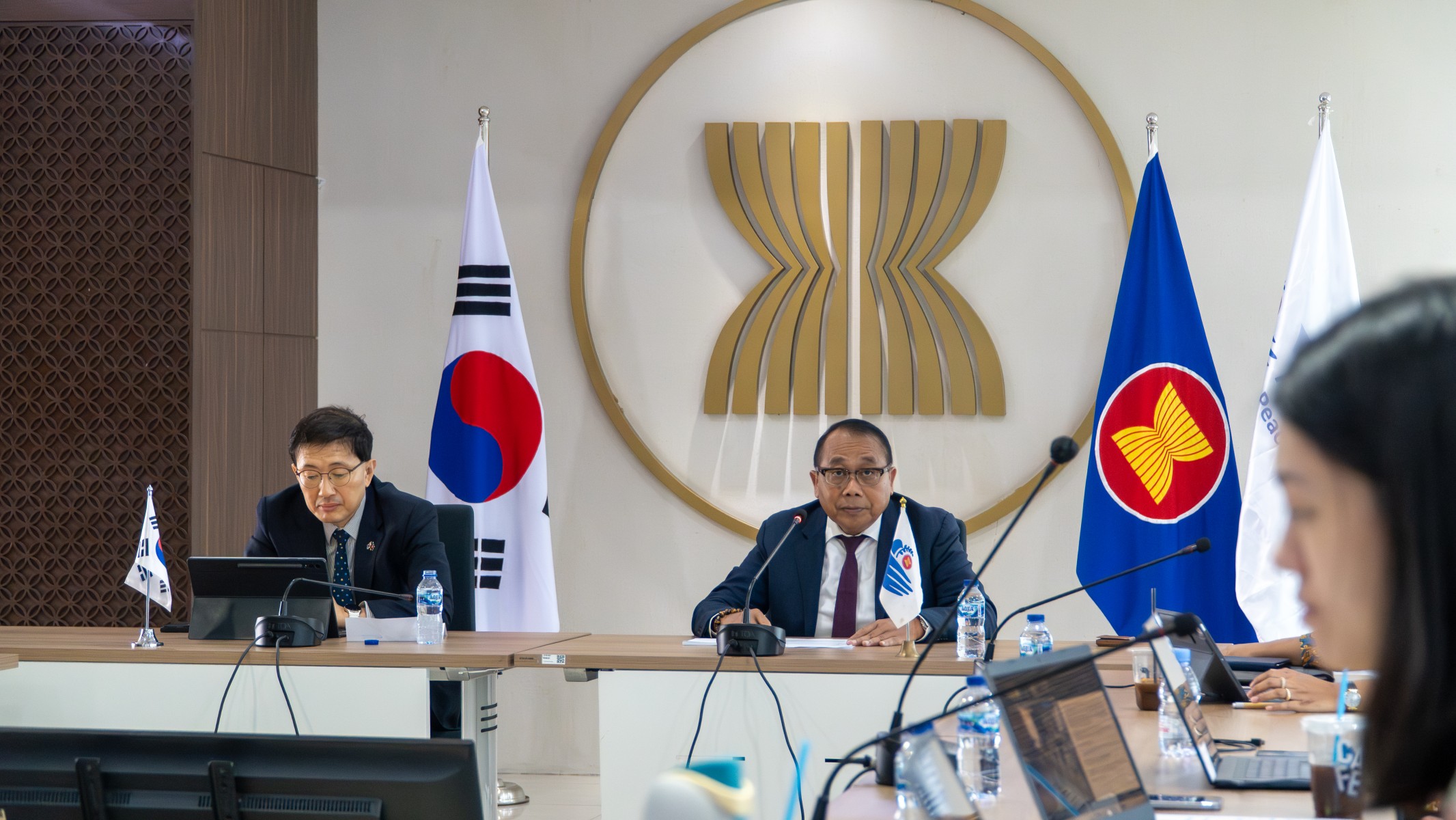
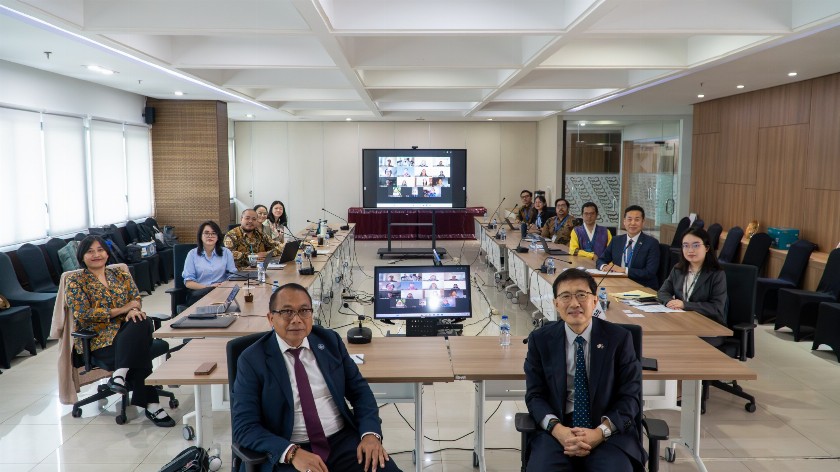
The ASEAN Institute for Peace and Reconciliation (ASEAN-IPR) officially launched the ASEAN-IPR Course: Preventing Violent Radicalisation among the Youth on 6 April 2026 at the ASEAN Secretariat in Jakarta. Held in a hybrid format, the Kick-Off Meeting brought together representatives from the Mission of the Republic of Korea to ASEAN, the ASEAN-Korea Cooperation Fund Project Management Team (AKPMT), the ASEAN Secretariat, and researchers to mark the beginning of a regional effort to better understand and respond to youth radicalisation.
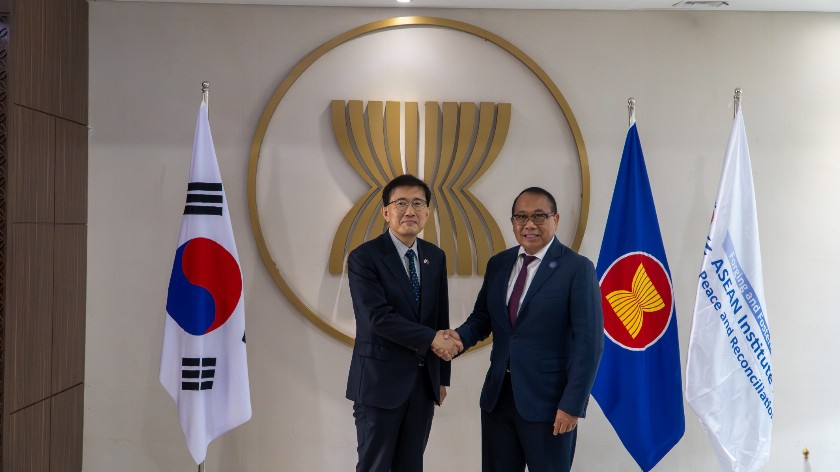
In his opening remarks, Mr. I Gusti Agung Wesaka Puja, Executive Director of ASEAN-IPR, underscored that preventing violent extremism is not solely a security concern, but fundamentally about building inclusive, resilient, and peaceful societies. He highlighted ASEAN’s longstanding commitments through frameworks such as the Langkawi Declaration, the ASEAN Political-Security Community Blueprint, the Manila Declaration, and the ASEAN Plan of Action on Preventing and Countering Violent Extremism. These efforts, he noted, demonstrate ASEAN’s recognition of the evolving nature of radicalisation, particularly among youth, which is increasingly shaped by digital environments and complex socio-economic factors.

Echoing this, Mr. Hahm Jeong-han, Chargé d’Affaires of the Mission of the Republic of Korea to ASEAN, emphasized the importance of strengthening evidence-based and youth-focused approaches. He noted that while radicalisation pathways vary across contexts, they are often driven by personal vulnerabilities, identity-related challenges, and the search for belonging. He further highlighted that youth, while vulnerable, also hold the potential to become key agents of peace when equipped with the right knowledge and skills.
In this context, he underscored that by initiating a baseline study to map the modern drivers of radicalisation leading to the development of a structured syllabus and a capacity-building course the project represents a research-based intervention tailored specifically for the ASEAN context. In an era of hyper-connectivity, where youth radicalisation can act as a “spark of conflict” capable of destabilising communities, the initiative serves as a proactive effort to build a “resilient shield” for the next generation of ASEAN. He further noted that the project aligns closely with the ASEAN Community Vision and the ASEAN–ROK Plan of Action (2026–2030), which emphasize empowering youth as a key strategy in preventing the rise of radicalisation.
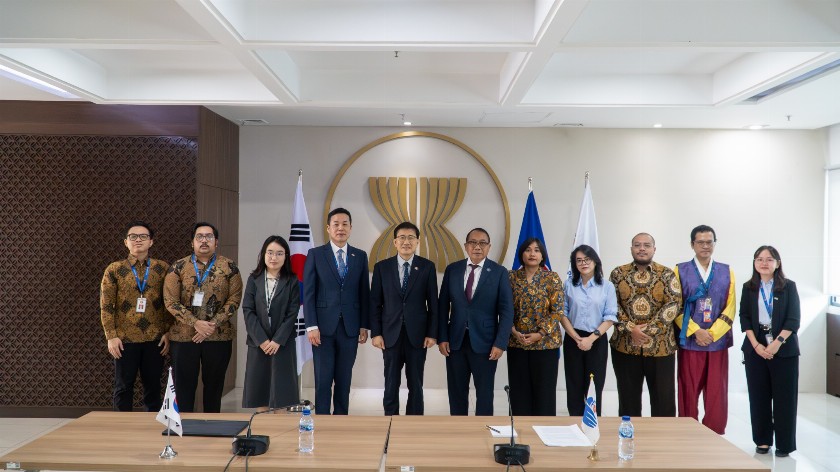
Supported by the Government of the Republic of Korea through the ASEAN-Korea Cooperation Fund (AKCF), the project aims to address existing gaps in regional efforts, particularly the lack of comprehensive and comparable data on youth radicalisation across ASEAN. The initiative will begin with a multi-country baseline study to examine contemporary trends, drivers, and pathways of radicalisation, followed by the development of a structured syllabus and capacity-building programme tailored to the ASEAN context.
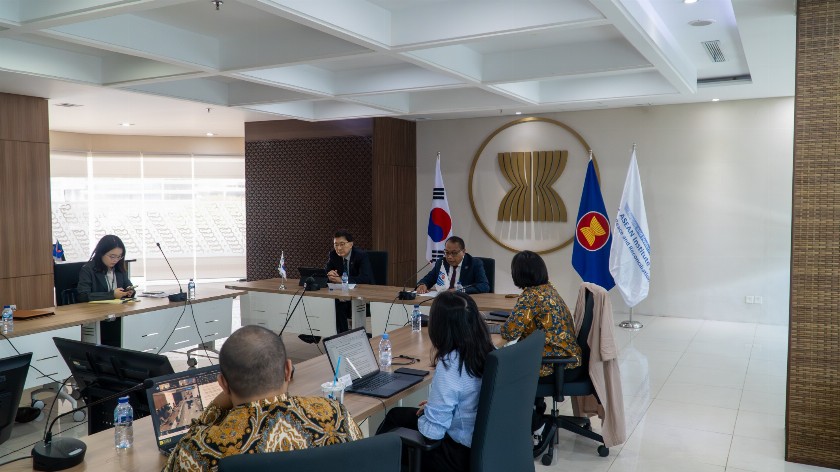
During the meeting, ASEAN-IPR presented the project’s overall framework, which combines research, training, and outreach components. The baseline study will be conducted across ASEAN Member States using both empirical and doctrinal approaches, enabling researchers to capture diverse national contexts while identifying common regional patterns. The findings will serve as the foundation for developing a tailored training syllabus under the project.
The Kick-Off Meeting also featured presentations from research teams representing ASEAN Member States, who shared their respective research plans and methodologies. These presentations highlighted the diverse and context-specific nature of radicalisation in the region from conflict-related dynamics and political instability to online self-radicalisation and social influences, underscoring the importance of a nuanced and evidence-based approach.
In addition to the research component, ASEAN-IPR outlined a strategic communication and visibility plan to raise awareness and promote youth engagement. Through a combination of digital campaigns, online learning modules, and youth-led initiatives, the project seeks to expand its reach and encourage broader participation in preventing radicalisation across the region.
As ASEAN moves towards its Community Vision 2045, the initiative reflects a shared commitment to empowering youth as partners in peacebuilding. By strengthening knowledge, enhancing capacity, and fostering regional collaboration, the ASEAN-IPR Course on Preventing Violent Radicalisation among the Youth aims to contribute to a more resilient, inclusive, and peaceful ASEAN community.