

Third Iteration of Training for ASEAN Officials on Interreligious and Intercultural Dialogue
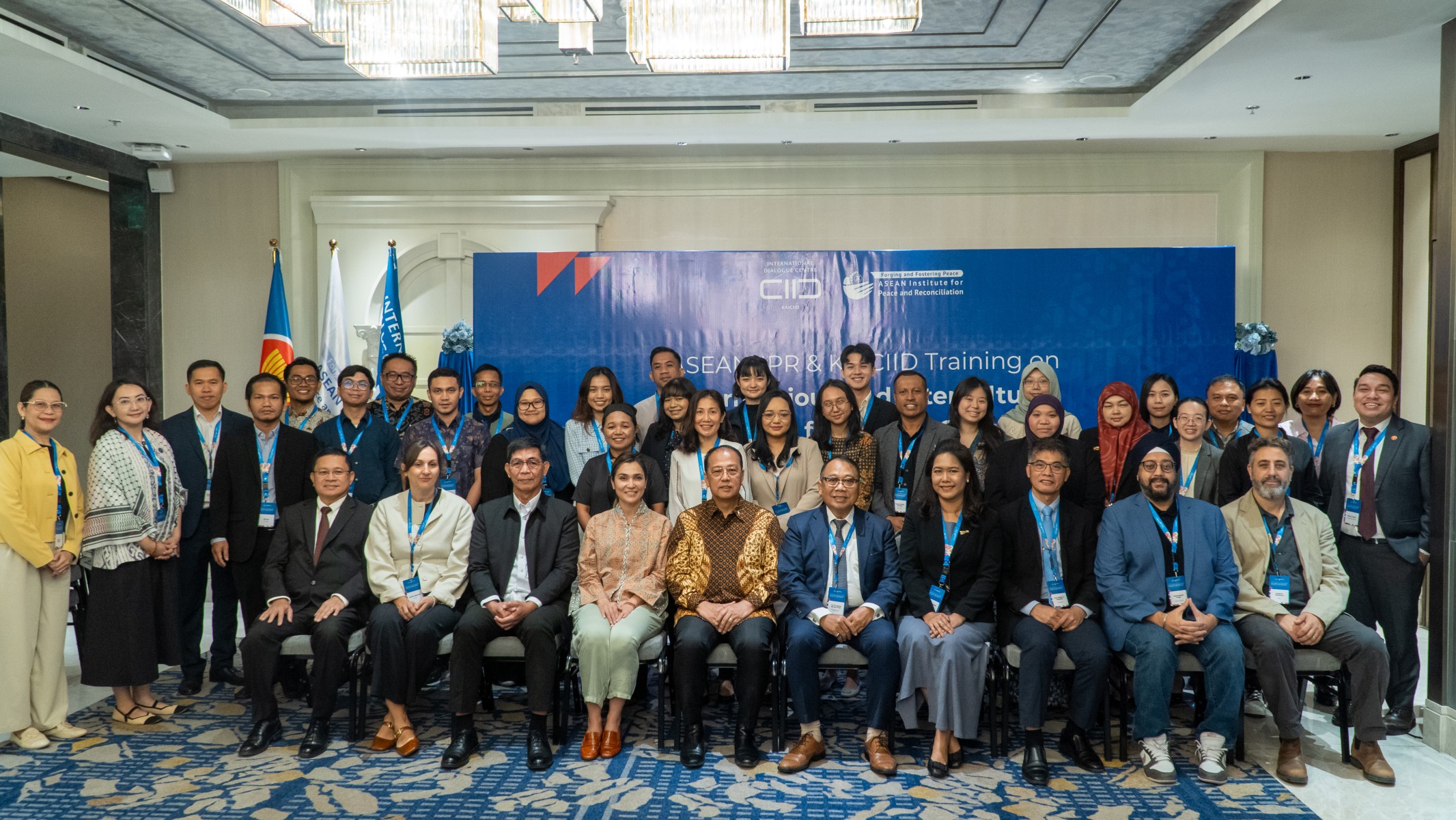
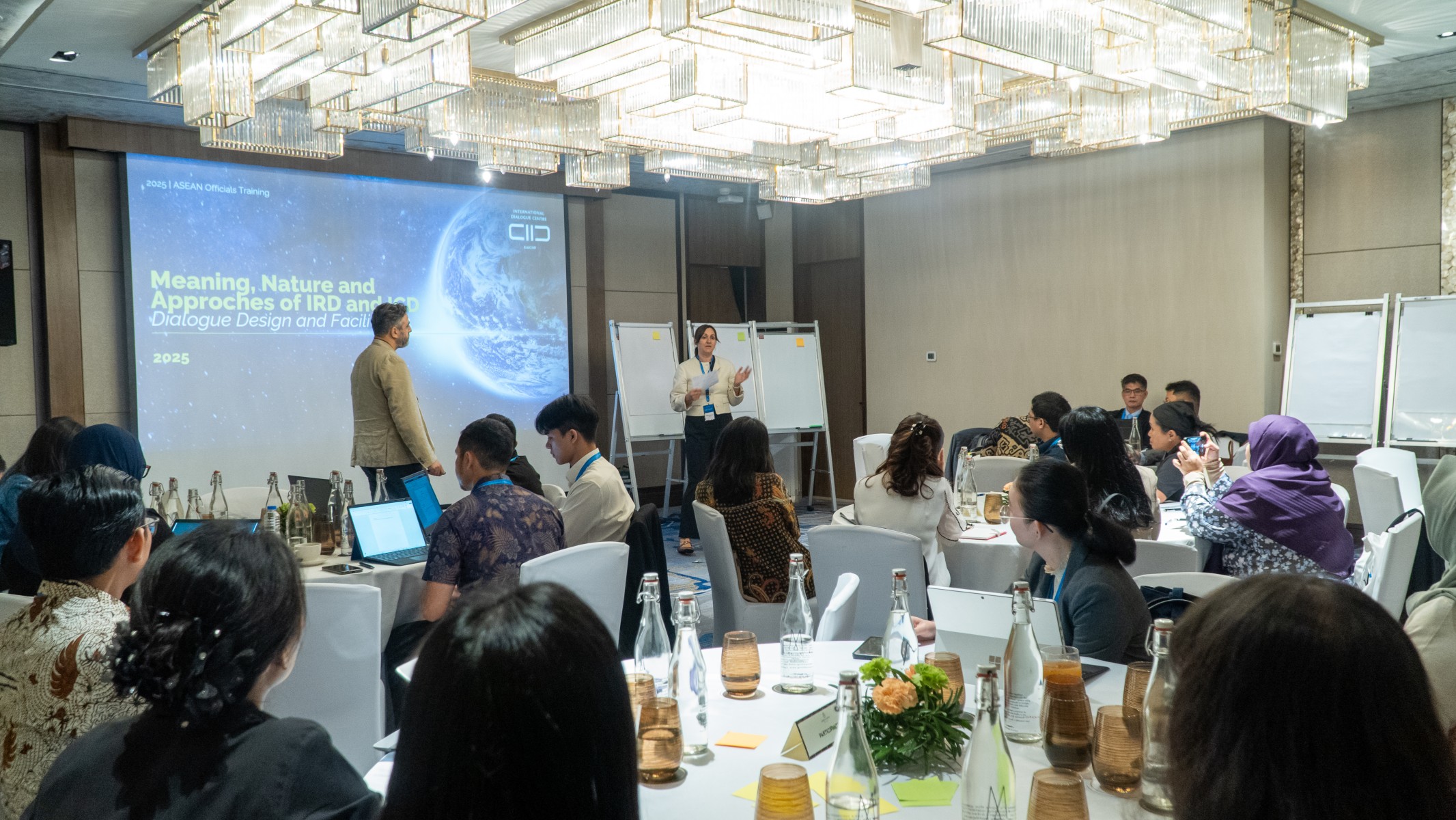
Manila, PHILIPPINES – The International Dialogue Centre (KAICIID) and the Association of Southeast Asian Nations Institute for Peace and Reconciliation (ASEAN-IPR) gathered government officials from ASEAN Member States and institutions on 1-5 December 2025, for a capacity-building programme on interreligious dialogue (IRD) and intercultural dialogue (ICD), aimed at strengthening regional mechanisms for peacebuilding, conflict prevention, and inclusive governance. This is the third occasion of KAICIID and ASEAN-IPR’s collaboration, with the first conducted in Bangkok, Thailand (2023) and the second in Penang, Malaysia (2024).
The training focused on the ASEAN IRD/ICD Peacebuilding Framework, an approach to dialogue that enables communities to move from shared aspirations to concrete pathways for change. The Framework helps translate community experiences and aspirations into collaborative actions, policies, and commitments that strengthen social cohesion and support inclusive and sustainable peacebuilding efforts across Southeast Asia.
“This training was designed to equip and encourage policymakers with the necessary cultural and religious understanding to enable them to create holistic policies that address political and social issues in ASEAN Member States. Through this training, we aim to bridge the gap between policymakers and local communities by spreading awareness on interreligious and intercultural dialogue to promote understanding and mutual respect between communities of different religious and cultural backgrounds,” said Ambassador I Gusti Agung Wesaka Puja, Executive Director of ASEAN-IPR.
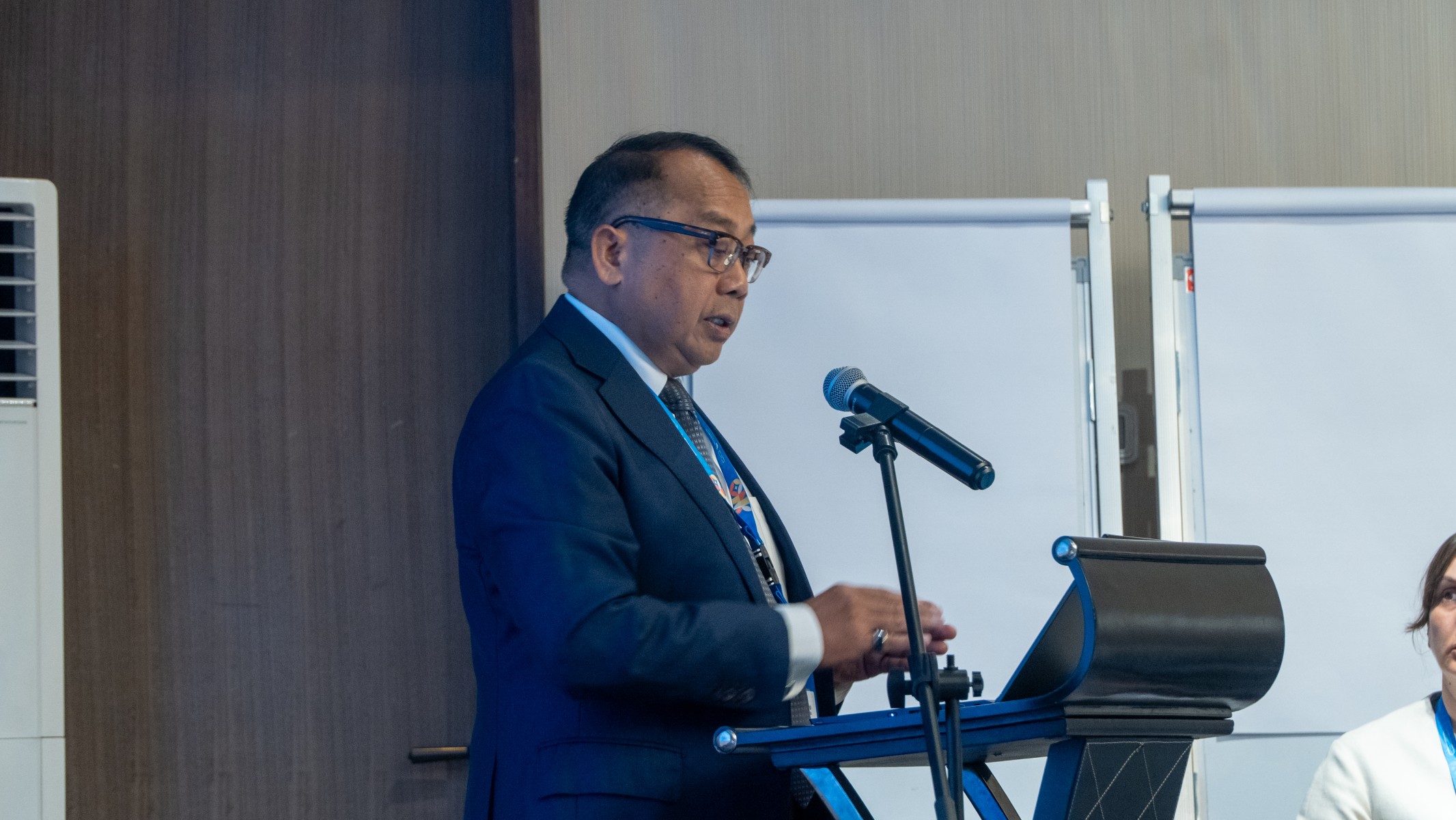
As a leadership development initiative, the training prepared participants to integrate dialogue-based strategies into their agencies’ policies, programmes, and community-level work. Officials also discussed how to apply IRD/ICD principles to thematic priorities such as climate action, gender equality, youth empowerment, and resilience.
“Each location brings its own experience and lessons. Here in the Philippines, those lessons are especially rich. The country’s long history of peacebuilding, interfaith cooperation, and community-based reconciliation offers insights that are relevant not only for this workshop, but also for the Philippines’ upcoming ASEAN Chairmanship in 2026,” shared Ambassador António de Almeida-Ribeiro, acting Secretary-General of KAICIID.
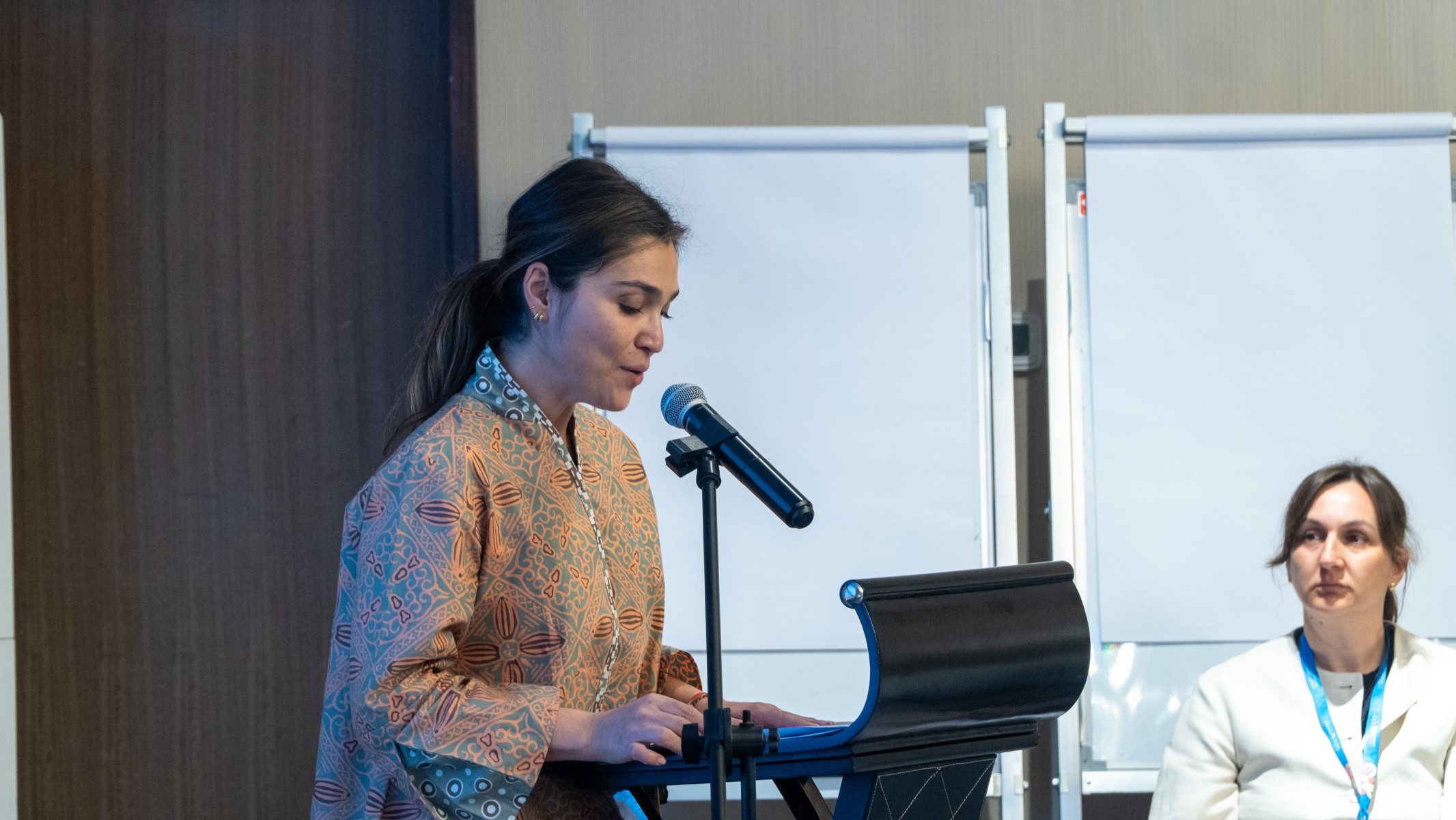
Participants took part in case studies, workshops, and facilitated sessions that demonstrated how IRD and ICD contribute to conflict-sensitive programming and collaborative problem-solving. The programme also encouraged them to act as “Dialogue Ambassadors,” sharing their knowledge with colleagues and helping build a regional community of practice.
The Philippine Government Peace Adviser Secretary Carlito G. Galvez Jr, from the Office of the Presidential Adviser on Peace, Reconciliation and Unity, endorsed the training, emphasising the country’s commitment to advancing peace, noting that dialogue plays a central role in the national Peace and Development Agenda.
“The learnings and insights we gained from these trainings have been instrumental to our agency, particularly in enriching its dialogue-based approaches, fostering social cohesion, and enhancing community engagement in conflict-affected areas throughout the country,” remarked Secretary Galvez.
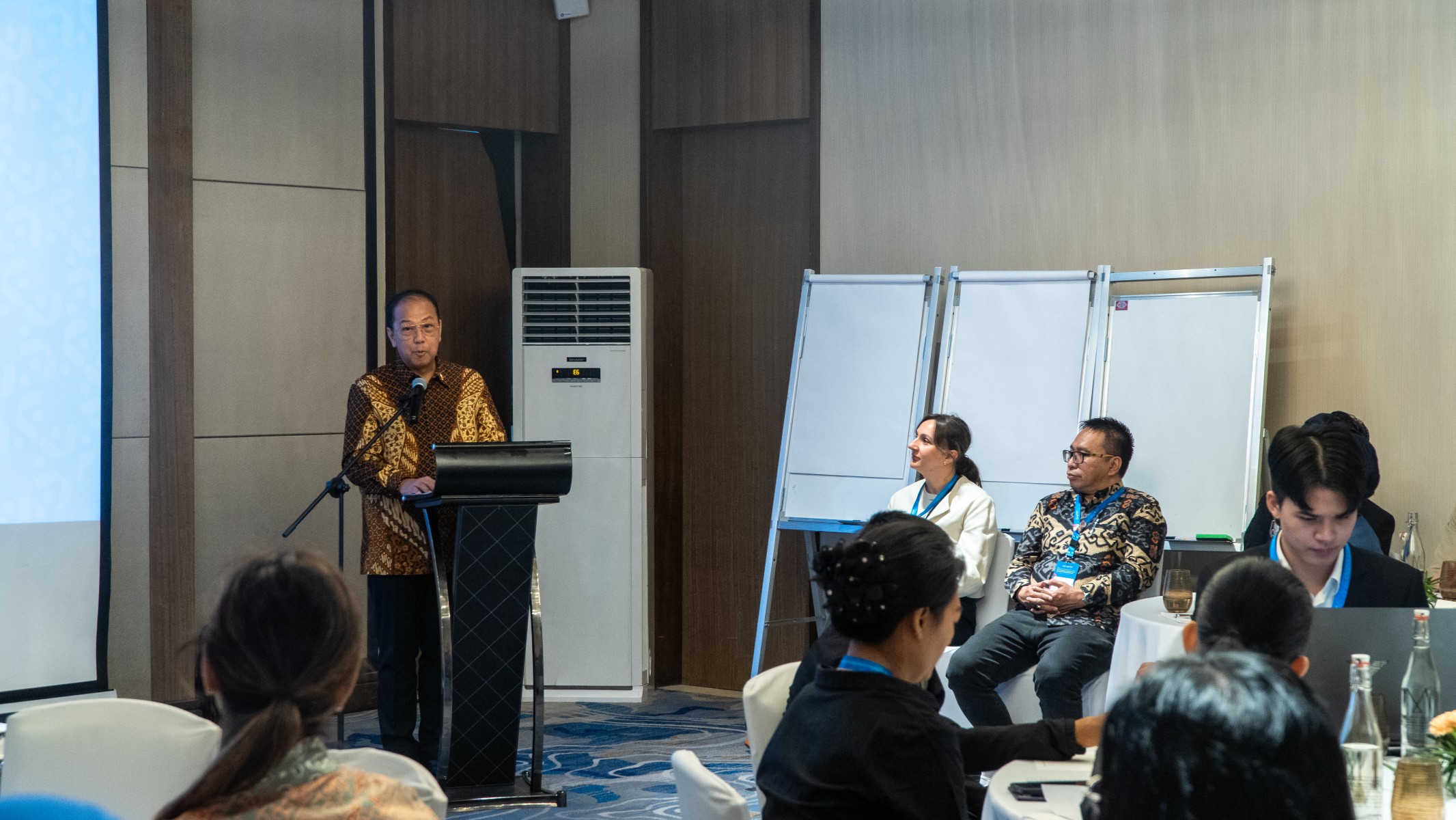
He further noted that hosting the training also supports the country’s preparations for its chairmanship of ASEAN in 2026: “It symbolises the Philippines’ readiness to promote dialogue, empathy, and collaboration during our upcoming Chairship. We look forward to the strong support of our ASEAN counterparts in this endeavour."
Bringing Dialogue to the Community Level
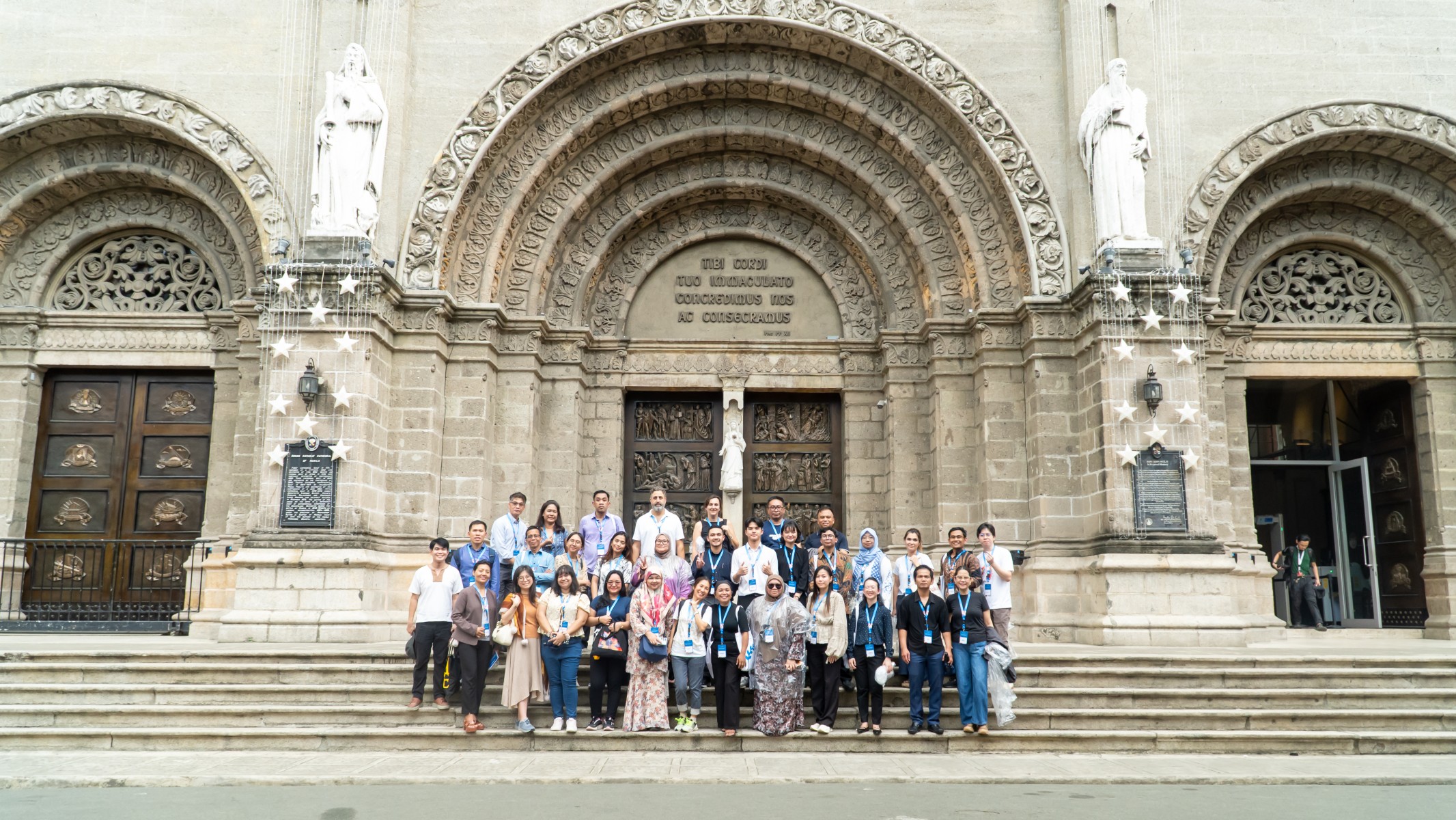
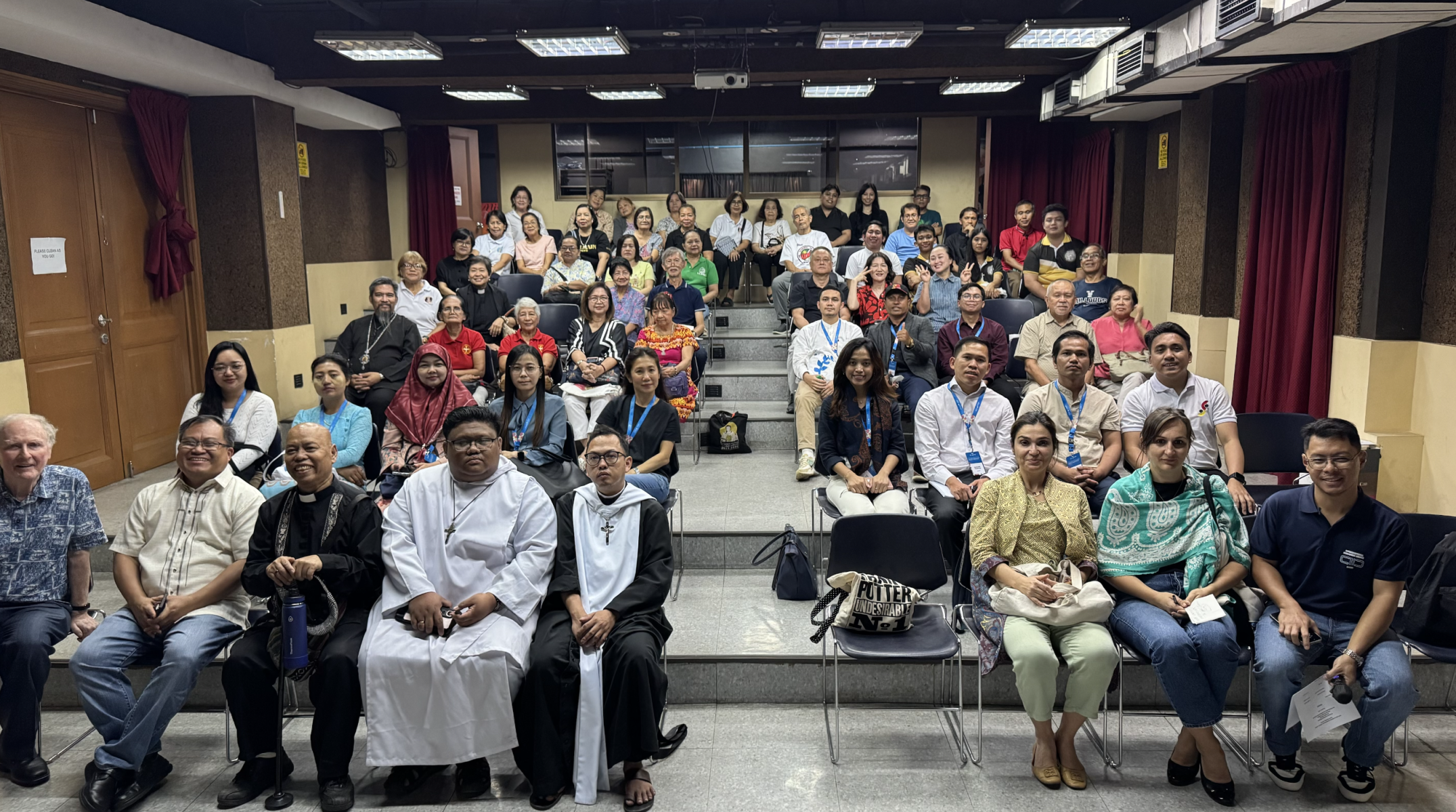
As part of the week-long programme, participants conducted field-based intercultural and interreligious dialogue sessions, visiting places of worship of three religious communities in Manila: the Minor Basilica of the Black Nazarene - St. John the Baptist Parish (Quiapo Church), Masjid Al-Dahab (Manila Golden Mosque and Cultural Centre), and the Our Lady of Remedies Parish (Malate Catholic Church). These visits enabled participants to directly engage with community members, apply dialogue methods learned during the training, and observe how religious and cultural influences shape daily interactions.
The in-person hands-on engagements created opportunities for meaningful exchange, connecting theory with practice and strengthening the participants’ understanding of dialogue as a tool for community peacebuilding.
Strengthening Dialogue-Based Strategies in Policy and Community Engagement
The training concluded with a consolidated understanding of how intercultural and interreligious dialogue can enhance peacebuilding efforts within government programmes and policies. In the final sessions, participants reflected on the role of dialogue-based approaches in improving community participation, increasing conflict sensitivity, and promoting more inclusive governance. Their final presentations drew from foundational theories, case studies, scientific data, and hands-on workshops, underscoring dialogue as both a mechanism and a practical tool for designing effective interventions and conflict-sensitive programming.
Participants demonstrated how the IRD/ICD Peacebuilding Framework could be adapted to different national contexts and thematic concerns. They discussed ways to tailor the framework to their cultures and belief systems, integrate it into institutional initiatives, and act as advocates for peace within their respective agencies, presenting practical strategies for integrating dialogue into their mandates and daily work, emphasising listening, cultural awareness, and collaborative engagement as key to addressing social issues across the region.
For further information on The International Dialogue Centre – KAICIID and ASEAN-IPR, visit our respective websites (www.kaiciid.org; www.asean-aipr.org) and subscribe to our social media channels. For inquiries, interviews, or additional information, please contact:
- The International Dialogue Centre (KAICIID)
Arijana AGANOVIC (Ms.); Email: arijana.aganovic@kaiciid.org
- ASEAN Institute for Peace and Reconciliation (ASEAN-IPR)
Email: ADMIN@asean-aipr.org
*******